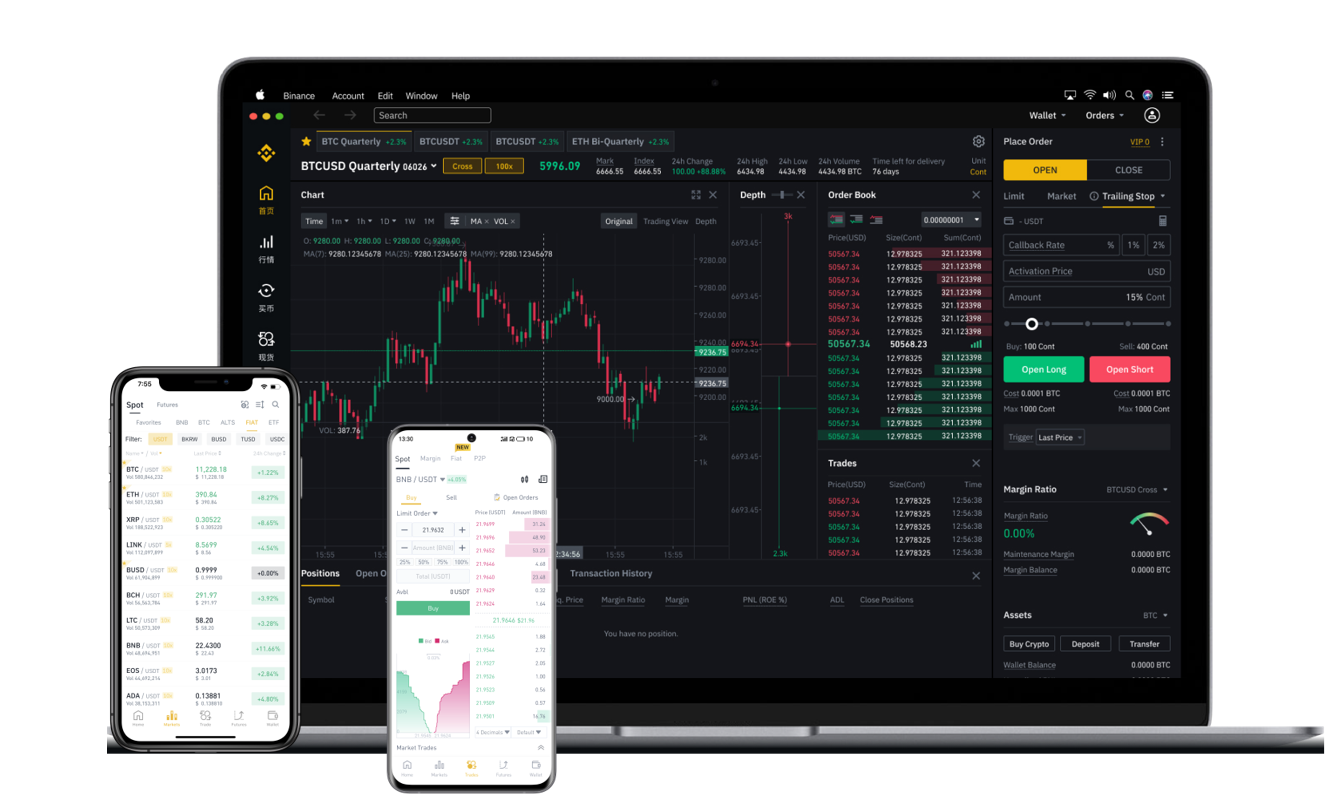
How to Operate a Decentralized Exchange on Binance Smart Chain: A Step-by-Step Guide
Decentralized exchanges (DEXs) on the Binance Smart Chain (BSC) have become a cornerstone of the DeFi ecosystem, offering users the ability to trade tokens directly from their wallets without relying on a central authority. Understanding how to operate one effectively requires familiarity with key terms and practical steps. This guide breaks down the essential operations, from connecting your wallet to executing trades, while adhering to BSC’s unique network characteristics.
First, you must overcome the initial barrier to entry: acquiring a compatible wallet. BSC operates on a separate blockchain from Ethereum, so standard Ethereum wallets (like MetaMask) require configuration. You need to add the BSC Mainnet to your wallet settings manually. This involves inputting the network RPC URL, chain ID (56), symbol (BNB), and block explorer URL. Once connected, you must fund your wallet with BNB, the native gas token for BSC. Without BNB, you cannot pay transaction fees (known as gas) on the network. You can acquire BNB from centralized exchanges and then withdraw it to your BSC wallet address.
Next, navigate to a popular BSC DEX such as PancakeSwap, BakerySwap, or ApeSwap. The user interface is similar across platforms. To begin, click the "Connect Wallet" button and select MetaMask or WalletConnect. Your wallet will prompt you to sign a message to verify ownership—this does not initiate a transaction. Once connected, the DEX will display your BNB balance and token holdings. Before trading, you should familiarize yourself with the concept of "slippage." This refers to the difference between the expected price of a trade and the price when the trade executes. For volatile tokens or low-liquidity pairs, you may need to increase the slippage tolerance (e.g., from the default 1% to 3-5%) to avoid transaction failures. Failure to adjust slippage is a common reason for failed swaps.
To execute a swap, select the token you want to trade from (e.g., BNB) and the token you want to receive (e.g., CAKE). Enter the amount, and the DEX will automatically calculate the estimated output. After reviewing the price impact (how much your trade affects the market price) and the minimum received amount, click "Swap." A confirmation window will appear in your wallet, detailing the gas fee. Review the fee; BSC gas fees are typically fractions of a cent, but can spike during network congestion. Confirm the transaction, and within seconds (BSC’s block time is roughly 3 seconds), the swap will finalize. You can view the transaction hash on BscScan for full details.
Beyond basic swaps, BSC DEXs offer advanced features like liquidity pools. To provide liquidity, you deposit a pair of tokens (e.g., BNB and BUSD) in equal value. In return, you receive LP (Liquidity Provider) tokens that represent your share. These tokens can be "staked" in farms to earn additional rewards (often the platform’s native token). However, be aware of "impermanent loss," a risk where the value of your deposited tokens diverges after price changes, potentially resulting in a loss compared to simply holding them. For yield farming, you need to approve each token for spending by the DEX smart contract—another transaction that requires gas.
Security is paramount. Always double-check the DEX’s official website URL (e.g., pancakeswap.finance is the correct one; look for typos). Avoid interacting with random tokens that appear in your wallet, as they may be "dusting" attacks. Use BscScan to verify the age and holder distribution of any token you plan to trade. For high-value trades, consider using "limit orders" if the DEX supports them, allowing you to set a target price. Finally, never share your wallet’s private key or seed phrase; no legitimate DEX will ask for it.
In summary, operating a DEX on Binance Smart Chain is a straightforward process once you grasp the underlying mechanics: correct wallet configuration, adequate BNB for gas, slippage adjustment, and cautious interaction with smart contracts. As the BSC ecosystem evolves, new DEXs and features will emerge, but the core operational principles remain constant. Practice with small amounts first, stay informed about gas dynamics, and always prioritize security. By mastering these steps, you can efficiently leverage BSC’s low fees and high speed for decentralized trading.