How to Use Binance Team-Building for Your Own Crypto Exchange Setup | Full Guide

As the cryptocurrency market continues to expand, many entrepreneurs and developers are looking for efficient ways to launch their own trading platforms. One of the most frequently discussed approaches involves leveraging the team-building and deployment framework associated with Binance. But what exactly does "Binance team-building for an exchange" mean, and how can you actually use it to set up your own platform? This guide provides a clear, step-by-step explanation.
First, it is important to understand the core concept. When people refer to "Binance team-building" in this context, they are typically talking about the professional network, modular software architecture, and operational standards that Binance has established in the crypto exchange industry. This does not mean you are copying Binance's internal systems directly. Rather, it means you are assembling a team of developers and technical partners who have experience with high-frequency trading engines, liquidity management, and security protocols similar to those used by top-tier exchanges like Binance.
The actual "how to use" part begins with selecting the right software foundation. Most exchange setups today rely on a matching engine that can handle thousands of transactions per second. You need to source a robust exchange script or white-label solution that includes a backend capable of managing order books, user wallets, and KYC verification. The team you build—either in-house or through outsourcing—must be proficient in programming languages like Go, Python, or Node.js, and familiar with distributed systems architecture.
Once the technical stack is ready, the next step is configuring your exchange environment. You will need to deploy your platform on a cloud infrastructure that offers scalability and low latency. Binance’s own infrastructure relies heavily on this principle. Your team should set up load balancers, database clusters, and real-time monitoring tools. The key here is to test the matching engine under simulated trading conditions to ensure it can handle peak volumes without crashing.
Another critical aspect is liquidity. A new exchange without trading volume is essentially useless. To use the "team-building" approach effectively, your operations team must establish connections with market makers and liquidity providers. Some teams integrate liquidity from larger exchanges via APIs. This allows your users to execute trades without waiting for a counterparty on your own order book. Binance originally solved this by launching with strong liquidity partnerships, which your team should aim to replicate.
Security cannot be overlooked. Your team should implement multi-signature cold wallet storage, two-factor authentication for users, and stringent withdrawal whitelist features. Security audits by third-party firms are mandatory. Any vulnerability in the transaction flow or API endpoints can lead to fund loss, which is why Binance invests heavily in bug bounty programs and real-time threat detection. Your team must follow this same standard to build user trust.
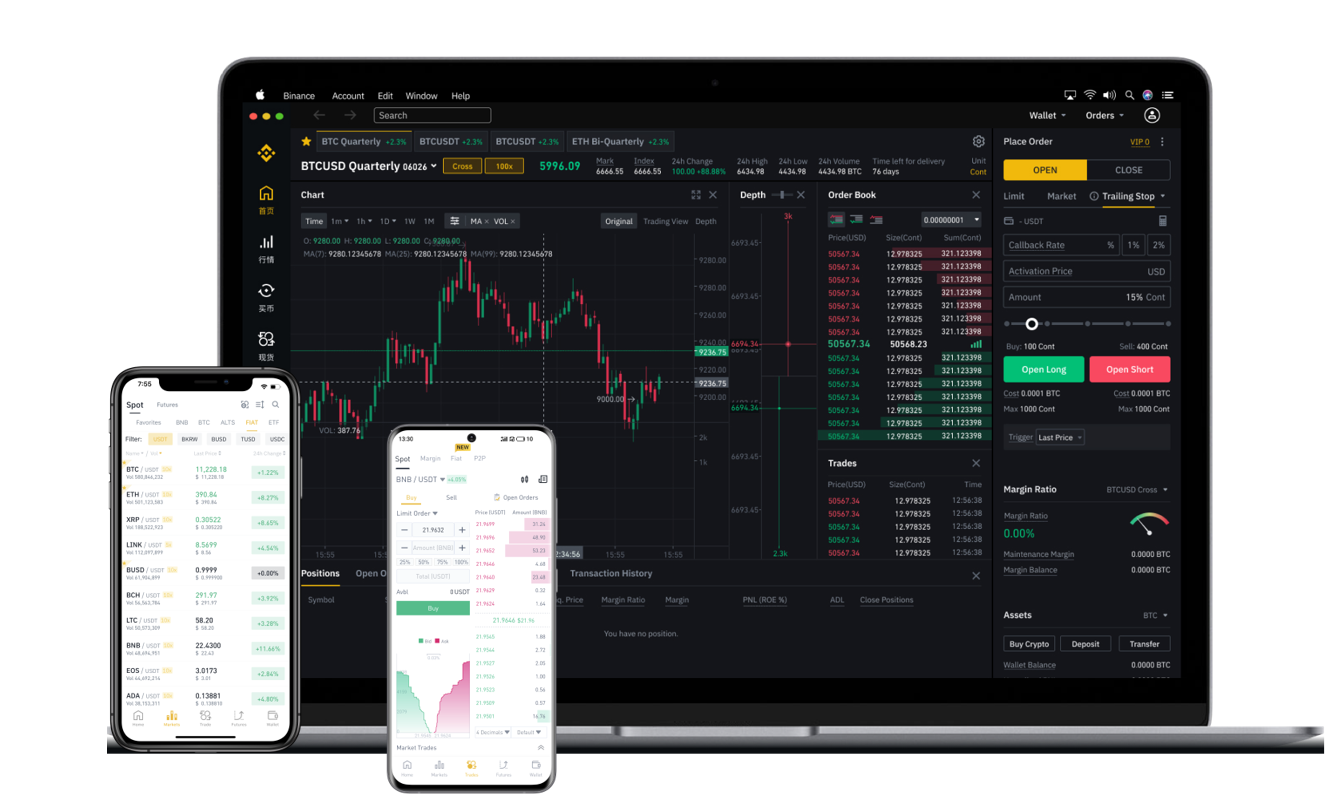
Finally, the user interface and experience must be intuitive. Traders expect fast order entry, clear charting tools, and access to real-time market data. The front-end developers on your team should build a responsive dashboard that works on both desktop and mobile browsers. Integration with popular Web3 wallets is also becoming a standard requirement for modern exchanges.
In summary, using the "Binance team-building" methodology for your own exchange setup is a practical pathway. It involves assembling a skilled development and operations team, deploying a high-performance matching engine, securing liquidity, enforcing rigorous security protocols, and delivering a polished user interface. By following these steps, you can launch a competitive trading platform that meets the expectations of today’s crypto traders.